The Benefits of Relationship Testing for Peace of Mind
The Benefits of Relationship Testing for Peace of Mind
Blog Article
In the realm of relationship testing, a broad spectrum of DNA tests is utilized to verify biological links between individuals. This service is especially requested in emotionally charged situations such as paternity disagreements, tracing family relationships or confirming a child's genealogy. The testing approach is relatively simple, and the findings are frequently applied in legal, medical, or personal environments the official site. As more testing centers emerge, featuring services like the , individuals who require insight into their relationships can discover trustworthy support nearby. Familiarity with the available types of relationship tests is essential for informed decision-making. When you are exploring relationship testing, it's essential to be familiar with the various methods you can use. The most prevalent options include paternity DNA testing, sibling DNA testing, and grandparent DNA testing. Each of these tests uses the principles of DNA analysis, but they are specifically designed to address distinct questions regarding familial relationships. The most commonly sought-after method is paternity DNA testing, which determines if a man is the biological father of a child. This test usually involves taking samples from both the child and the purported father, often through a straightforward cheek swab. Results have a high reliability rate, typically showing a 99.99% accuracy when paternity is confirmed. Sibling DNA testing helps ascertain whether two individuals have the same biological parents, making it an excellent choice when direct paternity tests aren't possible, or when half-siblings need to be distinguished. Likewise, grandparent DNA testing can validate if a grandparent is biologically related to a child, which can be particularly helpful in cases where parental details are in question or unavailable. The reliability of these tests is influenced by the quantity of genetic markers examined and the nature of the relationships being analyzed. Ensuring samples are gathered by certified professionals can improve the dependability of the results. Ascertaining the best testing type for your situation is vital, so consulting with a knowledgeable professional is strongly recommended. Undergoing relationship testing is a simple and private way to uncover your familial ties. Initially, those interested need to select a credible testing provider. After the appointment is arranged, the next phase is sample collection — which generally consists of a quick and non-invasive buccal swab from the inner cheek. In rare cases, blood samples may be needed depending on the specific testing requirements. The collected samples are then sent off to an accredited laboratory for thorough analysis. Testing results usually undergo a detailed review, taking anywhere from a few days up to a couple of weeks to process, depending on the lab's operational speed. Additionally, many providers grant online access to the results, prioritizing user confidentiality. The final report will detail the probabilities of relationships, helping individuals gain a deeper understanding of their familial links. Costs associated with relationship testing can differ significantly depending on the test type, provider, and location. For instance, basic paternity tests typically range from $100 to $500, while tests for siblings or grandparents might be priced even higher. When selecting a provider, it's crucial to weigh the cost against factors such as the lab's accreditation, the reliability of their results, and customer feedback to ensure you make an informed choice. Before making a decision, it's wise for consumers to ask about the complete costs involved, factoring in any potential hidden charges for consultations or extra services. Some laboratories provide financing options or payment plans to alleviate financial stress. Exploring reviews online and verifying accreditations can further help in identifying laboratories that consistently yield dependable outcomes. For additional details on different DNA tests and their uses, please refer to the article on DNA relationship testing.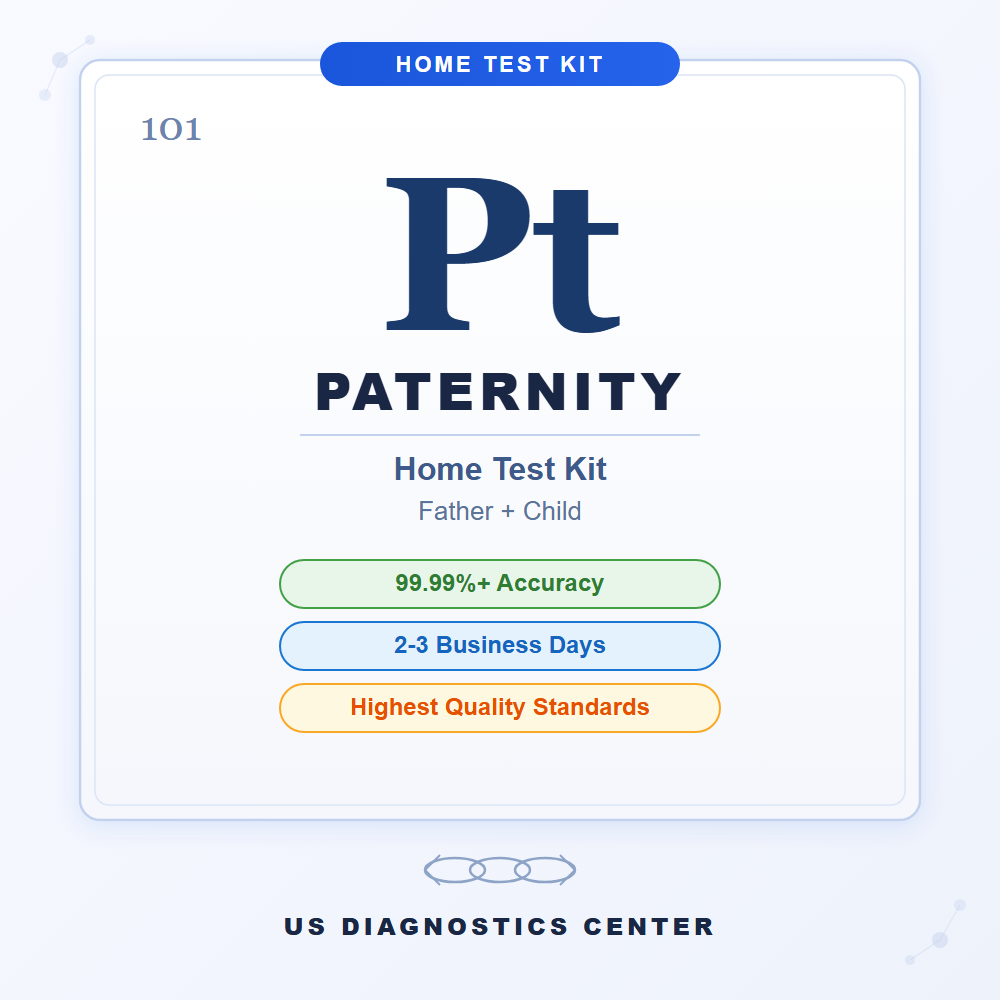 US Diagnostics Centerpaternity DNA testing
Different Types of Relationship Testing Methods
Understanding Sibling and Grandparent DNA Testing
The Testing Process: What to Expect
Understanding Costs and Choosing a Provider
relationship testing
Tips for Choosing the Right Testing Service
Selecting the right relationship testing provider is essential for accurate diagnostics and peace of mind. Verify various factors before making your decision.
- Check for accreditation with recognized bodies such as the AABB (American Association of Blood Banks).
- Ask potential providers about their testing methods and how results are validated for accuracy.
- Look for providers who offer post-test counseling to help interpret results and their implications.
- Prioritize companies with clear privacy policies and safeguards to handle your sensitive information.
- Consider the availability of online results and the overall convenience of the testing process.
Steps to Conduct a Relationship Test
- Identify the type of relationship test required based on your specific situation—whether it’s paternity, sibling, or grandparent testing.
- Research local testing providers, checking their accreditations and customer reviews to ensure reliability and accuracy.
- Contact the selected provider to schedule an appointment, ensuring to ask about the testing process, costs, and any other queries.
- Attend the appointment to provide your DNA sample, typically via a painless cheek swab, ensuring clean technique for accurate results.
- Wait for the lab to process the samples; results usually take several days to two weeks depending on the complexity of the test.
- Review your results and consider consulting a genetic counselor or legal advisor if needed, especially if the results impact future decisions or disputes.
Frequently asked questions
What is relationship testing?
Relationship testing refers to a DNA analysis process that is utilized to establish biological connections between individuals. This can include determining paternity, sibling relationships, and connections between grandparents and grandchildren.
How do I choose a relationship testing provider?
When selecting a testing provider, it's essential to conduct thorough research. Look into their accreditation status, review customer feedback, ask about their testing methodologies, and evaluate the privacy protections they offer.
How much does relationship testing cost?
The pricing for relationship testing can fluctuate notably based on the specific type of test being conducted. Generally, fees can range from $100 to over $500, influenced by the complexity of the DNA analysis performed.
How accurate is a paternity test?
Typically, a paternity test achieves an accuracy level exceeding 99.99% when paternity is affirmed, positioning it as one of the most dependable options for relationship testing accessible today.
What samples are required for testing?
Most relationship tests utilize cheek swabs, but in certain situations, blood samples might be collected. This collection method is straightforward and non-intrusive.
When considering relationship testing, prioritize outcome verification, transparent reporting, and ensuring that the methodology aligns with your market demands and timeline. Beware of vague assurances without a clear measurement strategy.
Inquire about the tracking of progress, what is included or considered additional, and how the provider adjusts strategies in response to stagnation in rankings or traffic. Securing a written scope prior to payment safeguards the interests of both parties.
Grasping the concept of relationship testing is essential for those dealing with family-related doubts. There are numerous choices out there, allowing individuals to confidently seek clarity regarding their personal relationships. Trustworthy services combined with precise outcomes can greatly assist in settling conflicts and reaffirming family ties.
In the end, whether you are looking for paternity information or exploring family links, making informed decisions will guide you to a more rewarding resolution. Arm yourself with relevant knowledge and support as you contemplate these significant assessments.